
Key Takeaways:
What Are the Key Signs of Nail Disorders You Shouldn’t Ignore?
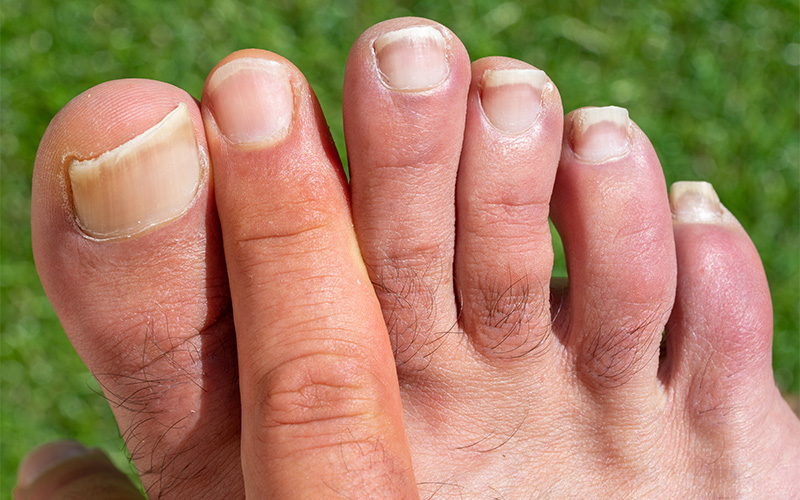
- Thick or discoloured nails may indicate a fungal infection that can worsen and spread if left untreated.
- Ingrown toenails can lead to pain, infection, and serious complications, especially for those with circulation problems or diabetes.
- Nail changes such as slow growth, brittleness, or persistent discolouration can signal underlying health conditions that require medical attention.
Introduction
Our toenails can reveal more about our overall health than we might think. Even subtle changes in their appearance, texture, or growth can serve as early warning signs of underlying problems. For example, nail discolouration or brittle toenails are often brushed off as cosmetic concerns or a natural part of ageing. However, these changes are frequently more than skin-deep. They may indicate infections, nail disorders, or even underlying health conditions that require professional attention.
In this article, we dive into common toenail changes, what they might mean for your foot health, and when to seek professional consultation.
What Nail Disorders Should You Watch Out for and What Do They Mean?
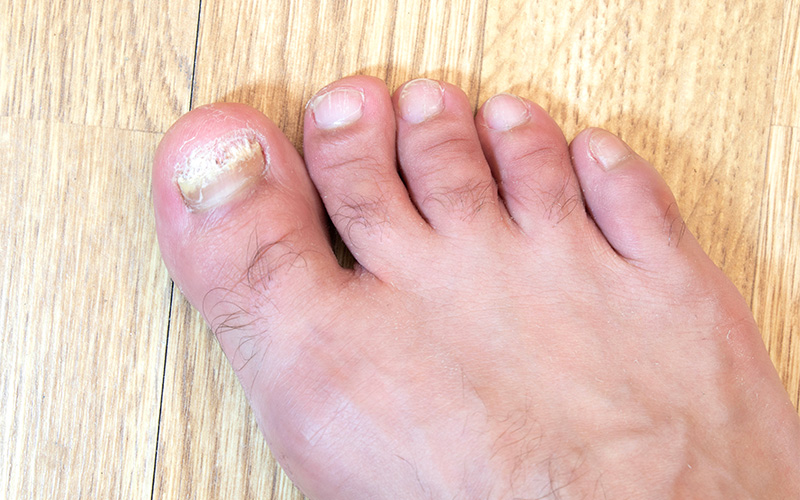
1. Thick, Discoloured Nails May Signal Fungal Infections
Changes in nail appearance such as yellow or brown discolouration, increased brittleness, or a flaky, crumbly texture can be more than just a cosmetic concern. In fact, these changes are often signs of a fungal nail infection. Fungal infections occur when microscopic fungi enter through small cracks in the nail or surrounding skin. Over time, the infection can spread deeper, making the nail harder, more brittle, and increasingly difficult to treat. As the infection progresses, the nail may become thicker, more fragile, and increasingly difficult to manage without proper treatment.

2. Ingrown Toenails Can Cause Serious Complications
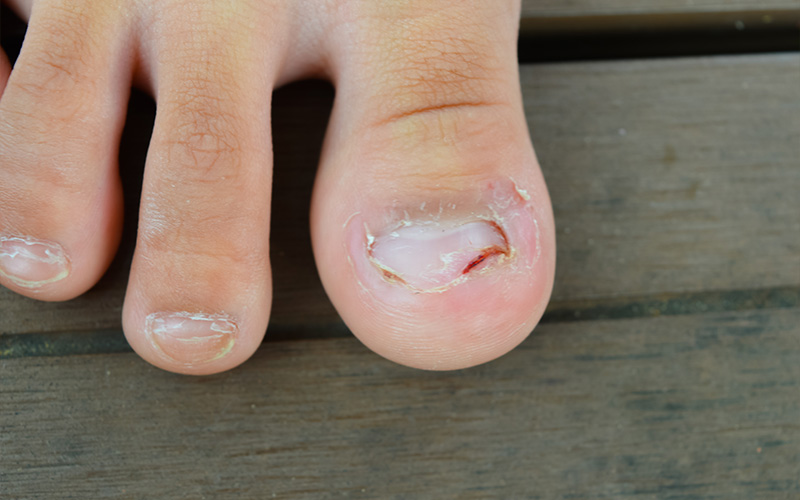
An ingrown toenail occurs when the edge of the nail grows into the surrounding skin, often causing redness, swelling, and pain. While it can affect anyone, it’s especially concerning for individuals with circulation problems or diabetes. In these cases, reduced blood flow can slow the healing process and make infections more likely to develop. What starts as a minor irritation can escalate quickly if left untreated. Severe cases may require medical intervention to remove part of the nail and prevent it from growing back incorrectly.
3. Bacterial Infections Can Affect Toenail Health
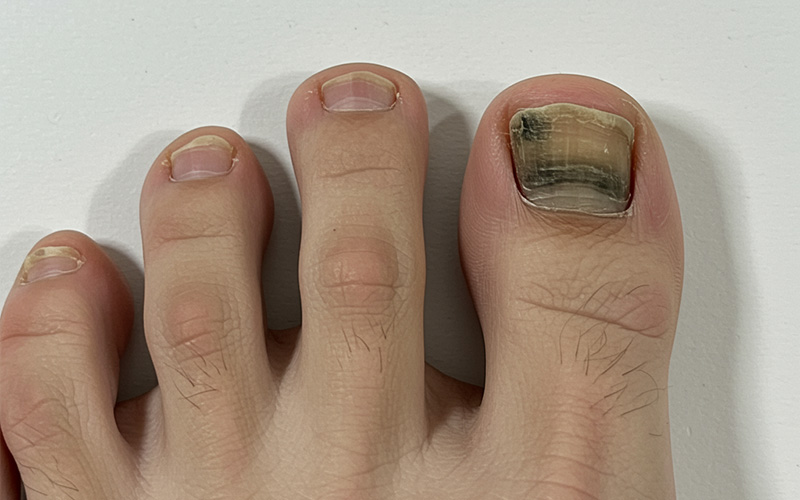
Bacterial infections, such as Pseudomonas, can cause noticeable changes in toenail appearance. This often results from prolonged moisture exposure, creating an environment for bacteria to thrive. The infection can lead to changes in the nail’s colour, texture, and growth. If you notice greenish discolouration or other nail abnormalities, it’s important to seek medical advice promptly to prevent potential nail disorders and ensure proper treatment.
4. White Spots or Streaks on Nails
Small white spots or streaks on the toenails are often caused by minor trauma to the nail matrix, sometimes from tight footwear or repeated pressure. However, in some cases, white discolouration on the nail surface may be due to a superficial white fungal nail infection or other nail conditions. While these changes are often harmless, persistent, spreading, or recurring white patches should be assessed to determine the underlying cause.

5. Dark Lines or Pigmentation Under the Nail
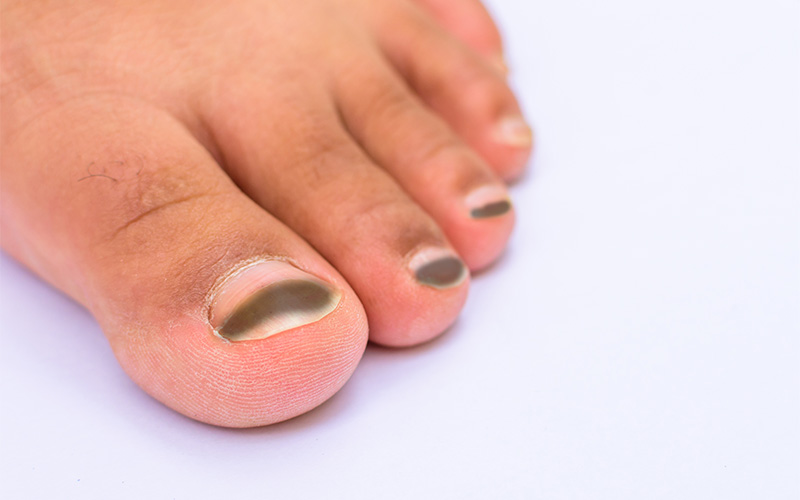
Brown or black streaks beneath the nail can result from subungual haematoma, where bleeding occurs under the nail due to repeated pressure or trauma. This can happen from activities such as sports, ill-suited footwear, or ongoing nail stress. While these marks are commonly harmless and grow out over time, unexplained or changing dark pigmentation should never be ignored. This is because it may occasionally indicate more serious conditions that require prompt medical evaluation.
6. Brittle, Splitting, or Peeling Nails
Toenails that split, peel, or break easily may be linked to repeated trauma, dryness, or reduced circulation. Brittle or uneven nail changes may also be influenced by long-term nail damage, underlying medical conditions, or issues affecting nail growth. In some cases, conditions such as subungual warts can develop beneath the nail plate, leading to irregular nail thickening or distorted growth over time.
While these visual signs offer helpful awareness, toenail appearance alone is not enough to confirm a diagnosis. Fungal infections, warts, trauma, and nail issues caused by medical conditions can look alike. Attempting to self-diagnose or self-treat may delay appropriate care or worsen the condition.
If you notice persistent changes in nail colour, thickness, shape, or discomfort, it is best to consult a qualified podiatry professional. A proper assessment ensures accurate diagnosis and timely treatment, helping to protect both your nail health and overall foot health.

When to See a Podiatrist
Toenail changes are more than just a cosmetic concern. Whether it’s thick toenails, persistent nail discolouration, or recurring ingrown toenails, these signs can point to infections or underlying health issues that require professional attention. If ignored, even minor problems can progress into more serious conditions that affect your overall foot health.
That’s why early treatment is essential. Seek timely care and support from a specialist in podiatry in Singapore if you notice any of the following warning signs:
- Nails that become unusually thick, brittle, or discoloured
- Persistent pain, swelling, or discharge around the nail
- Recurring ingrown toenails or slow-healing infections
- Nail changes linked to conditions like diabetes or circulation problems
At Fine Podiatry Clinic, we specialise in diagnosing and managing a wide range of nail disorders, including treating fungal nails. From early intervention to targeted solutions, our team can help you regain healthy nails and prevent future complications.
Get in touch with us and let our team help you protect your foot health.
