
Key Takeaways:
What You Should Know About Barefoot Training?
- Barefoot exercise strengthens key muscles in the feet and lower legs, improving balance, posture, and movement efficiency while enhancing sensory feedback.
- Barefoot workouts may not be suitable for everyone. Individuals with foot pain, plantar fasciitis, significant flat feet, poor lower-limb alignment, or past injuries may benefit from professional assessment before training without footwear as reduced support may aggravate symptoms in some cases.
- Training environment matters. Hard or uneven surfaces and unhygienic spaces increase the risk of injuries, infections, and strain during barefoot exercise.
- Gradual transition is essential. Start with short, low-impact sessions and seek guidance from a foot doctor to ensure a safe and effective shift to barefoot workouts.
Introduction
In recent years, barefoot training has gained popularity among fitness enthusiasts. This approach involves exercising without shoes or in minimalist footwear to promote more natural body mechanics. Many believe it can help improve balance, posture, and strength, but it may not be suitable for everyone.
Without proper preparation or guidance, barefoot workouts may increase the risk of injury and strain. In this article, we explore the key benefits and risks of barefoot exercise and share tips on how to approach it safely.
What are the Promised Benefits of Barefoot Training?
The barefoot movement is built on the idea that conventional shoes, particularly heavily cushioned ones, can interfere with your feet’s natural mechanics. Removing that barrier allows your body to move more freely and function as it was designed to.
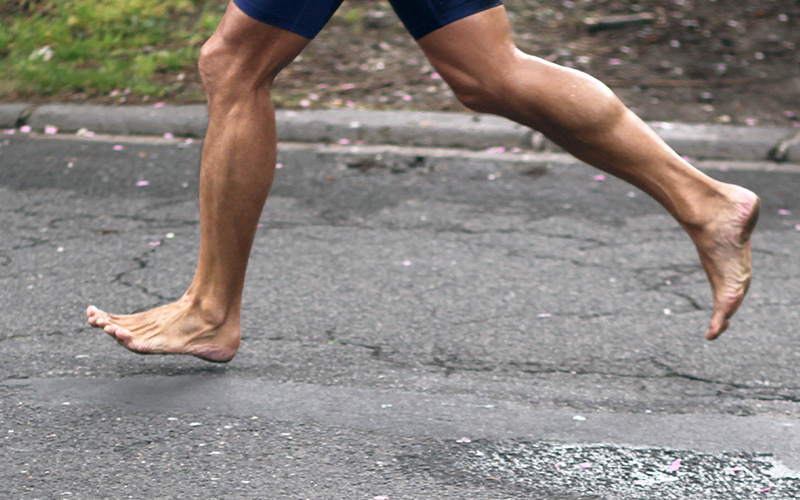
Barefoot strength training helps activate underused muscles in your feet, ankles, and lower legs. This improves proprioception, or your awareness of body position, and enhances balance. Over time, these changes may improve posture, movement patterns, and body support, from the feet up to the hips.
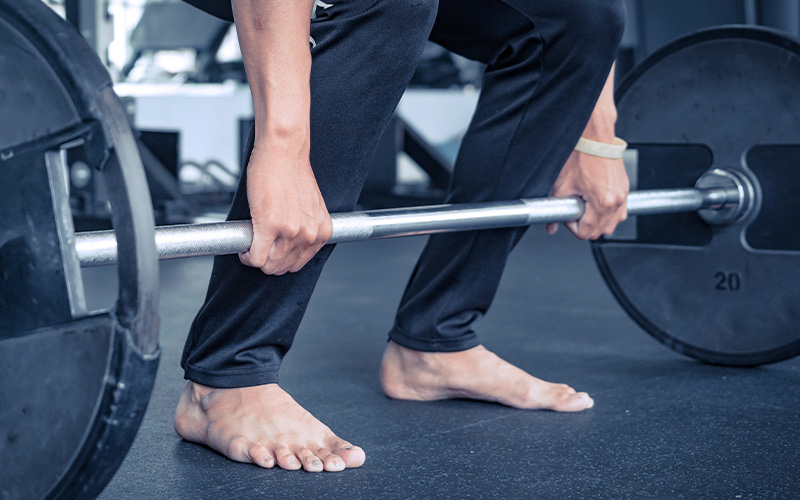
The benefits of minimalist footwear also extend to improved agility and stability during exercises such as squats, lunges, and deadlifts. With your feet closer to the ground, you build a stronger base and gain more accurate sensory feedback. This helps refine your technique and reduce the need for external support.
Who Should Be Cautious?
While barefoot training has its advantages, it isn’t a one-size-fits-all solution. Going shoeless can expose existing weaknesses or structural issues that cushioned footwear may have been compensating for.
Individuals with flat feet, plantar fasciitis, or misaligned foot posture should be especially cautious. Barefoot workouts without sufficient support put extra stress on the plantar fascia, leading to aggravated foot conditions. If you are already dealing with heel pain or requiring treatments for plantar fasciitis, jumping straight into barefoot strength training may slow your recovery or even lead to new injuries.
What Should You Consider About Surfaces When Training Barefoot?
The setting in which you train also determines how your feet respond. Not all surfaces are equally friendly to barefoot exercise. Hard gym floors can increase the impact on your joints, while uneven outdoor terrain might heighten your risk of sprains or overuse injuries. Hygiene is another overlooked factor. Shared gym spaces and studio floors can harbour bacteria and fungi, raising your chances of cuts, infections, or skin irritation when barefoot.
To ensure safety, choose clean, controlled environments with proper flooring. If you’re training outdoors, stick to flat and even ground. Always inspect the area for debris or hazards before you begin, as sharp objects or uneven surfaces can cause injuries that are harder to manage without footwear.
How to Transition to Barefoot Workouts Safely
If you’re curious about incorporating barefoot workouts into your routine, the key is gradual progression. Transitioning too quickly can overload muscles and connective tissues that aren’t used to bearing weight without support.
Begin with short, low-impact sessions such as bodyweight exercises or balance drills. Then, slowly increase the duration and intensity as your feet adapt. Using minimalist footwear can act as an effective stepping stone, offering some protection while still promoting more natural movement.
Listening to your body is essential. Soreness and mild discomfort may occur as your muscles adjust, but sharp pain or persistent aches should never be ignored. If problems arise, pause your training and seek professional advice from a foot doctor. A podiatrist can also recommend strengthening exercises, corrective orthotics, or specific strategies for transitioning to barefoot workouts safely.
Should You Go Barefoot?
Barefoot training can offer real benefits, but it’s not without potential pitfalls. For some, it’s a valuable way to improve strength, balance, and foot function. However, for those with pre-existing foot issues, it can do more harm than good if not approached carefully. The best course of action is to prioritise safety and professional guidance. Consulting a foot specialist in Singapore before changing your routine can help you reap the rewards without risking your long-term foot health.
At FINE Podiatry Clinic, we recognise the importance of proper foot care in maintaining long-term foot health. Our team assesses your foot structure and identifies underlying conditions.
Contact us for recommendations tailored to your specific needs.
