
Key Takeaways:
How Medical Pedicures Provide Complete Foot Care Treatment
- Medical pedicures focus on safe nail and skin care practices that may help reduce the risk of problems such as ingrown toenails, pressure-related discomfort, and certain infections.
- They gently remove built-up skin caused by friction or pressure, relieving discomfort, preventing cracks, and minimising the risk of infection.
- Deep cleaning and sanitisation help reduce bacterial and fungal growth, lowering the risk of conditions like athlete’s foot and nail fungus.
- During a medical pedicure, a podiatrist can identify early signs of issues such as corns, bunions, or circulatory problems, allowing for timely treatment and preventing complications.
Introduction
We pay careful attention to most parts of our bodies, from essential care for our hearts, muscles, and joints to the more superficial grooming of our hair and nails. However, our feet are exposed to constant pressure from walking, standing, exercise, and daily footwear, yet they’re often neglected until discomfort develops. Over time, issues such as thickened nails, cracked heels, calluses, fungal infections, or painful pressure areas can affect both comfort and mobility.
Professional foot care is not just cosmetic. Medical pedicures combine hygienic nail and skin care with clinical assessment, helping identify early signs of common foot conditions before they become more problematic.
In this article, we explore how medical pedicures support preventive foot care treatment and overall foot health.
What Makes Medical Pedicures Different?
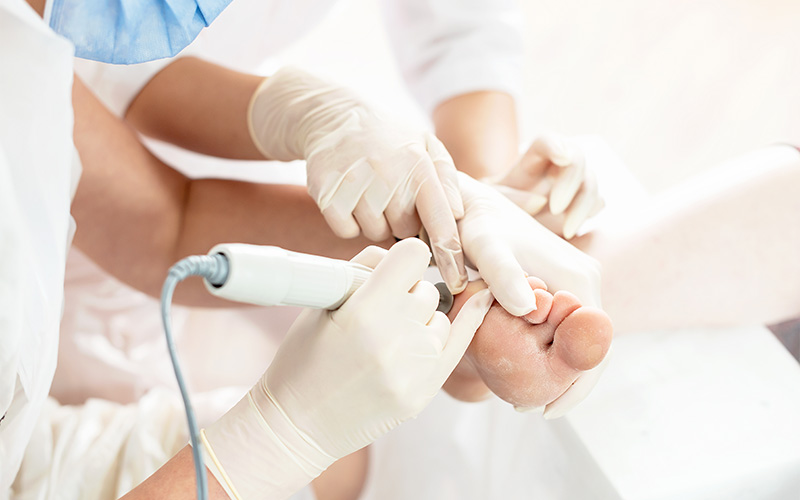
Unlike cosmetic pedicures, medical pedicures are focused on foot health rather than aesthetics alone. They are typically performed in a clinical environment using sterilised instruments and medically informed techniques suitable for individuals with sensitive skin, diabetes, circulatory concerns, or recurring foot problems.
In addition to nail and skin care, podiatrists assess pressure areas, skin integrity, nail changes, and early signs of conditions such as fungal infections, corns, calluses, or biomechanical stress.
Every session often includes a detailed assessment, hygienic cleaning, precise nail trimming, skin exfoliation, and early detection of potential foot problems. As it’s performed in a clinical environment with sterilised tools, you can expect a higher standard of safety and care than traditional pedicures.
How Medical Pedicures Offer Proper Foot Care Treatment
-
Gentle, Professional Nail Care
One of the foundations of a medical pedicure is safe, careful nail care. Nails that are too short or unevenly cut can lead to ingrown toenails, while improper grooming may introduce bacteria or cause nail trauma.
A podiatrist in Singapore trims and shapes each nail with precision to reduce the risk of fungal infections. People with diabetes may experience reduced sensation, delayed wound healing, and an increased risk of infection, making safe nail and skin care especially important.
-
Callus and Hard Skin Management
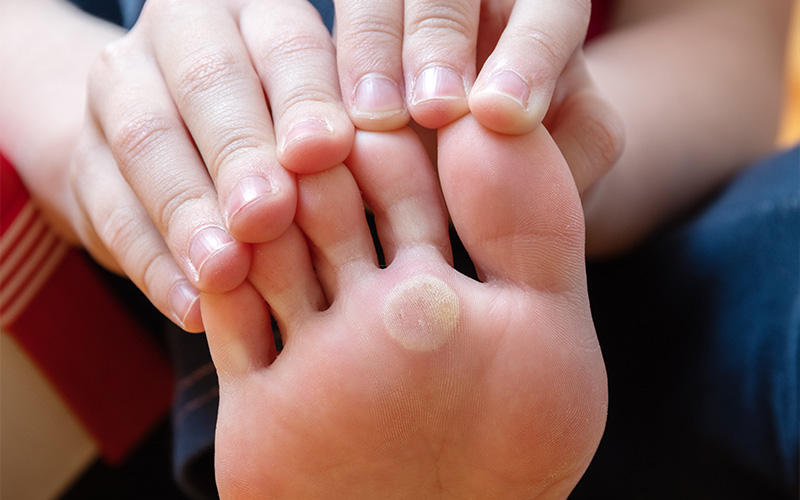
Calluses and hard skin often develop from repeated pressure and friction. For instance, from walking or standing for long hours, wearing ill-fitting shoes, or engaging in activities that place extra strain on the feet. Over time, the skin responds by thickening as a natural protective barrier. While this is the body’s way of shielding deeper tissues, excessive build-up can become painful, crack, or even serve as entry points for infection.
During a medical pedicure, hard skin is gently removed using safe, controlled techniques. This not only restores smoother, softer feet but also prevents future problems. By addressing these issues early, a specialised foot care treatment helps you maintain comfort with every step by preventing serious conditions from developing later.
-
Improved Hygiene and Infection Prevention
Feet are highly susceptible to fungal and bacterial growth, especially in Singapore’s tropical climate. When sweat builds up and the skin stays damp for long periods, it creates the perfect breeding ground for microorganisms. This is why conditions such as athlete’s foot, nail fungus, and bacterial infections are so common. Without proper hygiene and care, these infections can spread, become persistent, and even lead to more serious complications if left untreated.
Medical pedicures support better foot hygiene and help reduce conditions that encourage fungal or bacterial overgrowth. On top of treating existing problems, this approach is a key element of preventive foot care. For individuals prone to recurring infections, regular sessions can make a difference in maintaining foot hygiene.
-
Early Detection of Foot Problems
During a medical pedicure, a podiatrist doesn’t just focus on grooming; they also assess the overall condition of your feet, examining the skin, nails, and circulation for any irregularities. Their trained eye allows them to detect early signs of common foot conditions such as fungal infections, corns, bunions, or circulatory issues that might otherwise go unnoticed.
Catching these issues early means you can seek timely treatment and avoid complications. This sets medical pedicures apart from cosmetic ones, turning what might seem like a simple grooming session into an important part of your overall foot care routine.
Common Foot and Nail Concerns a Medical Pedicure Can Address
A medical pedicure is not only about trimming nails or improving the appearance of the feet. It allows a podiatry professional to manage specific skin and nail concerns in a safer, more targeted way. This may include:
- Thickened nails that are difficult to cut: Nails may become harder, denser, or more uncomfortable to trim safely at home, especially if they press against footwear.
- Painful nail curvature: Curved or involuted nails may press into the surrounding skin, causing discomfort, tenderness, or a higher risk of irritation.
- Fungal nails: Fungal infections may cause yellowing, thickening, brittleness, or crumbling, and may spread to nearby skin or other toenails if left untreated.
- Cracked heels: Dry, hardened skin around the heels may split and become painful, especially when standing or walking for long periods.
- Pressure calluses: Repeated pressure or friction can cause thickened areas of skin, often around the heel, ball of the foot, or forefoot.
- Corns between the toes: These may develop when toes rub against each other or footwear, leading to localised pain and discomfort.
- Hard skin around pressure areas on the forefoot: Excess pressure on the front of the foot may lead to rough, thickened skin that can make walking uncomfortable.
These concerns may seem minor at first, but they can become uncomfortable or harder to manage if they are left untreated. With proper podiatric care, these issues can be assessed, managed, and reviewed before they progress into more serious problems.
Who May Benefit Most from Medical Pedicures?
Medical pedicures may be especially helpful for individuals who:
- Experience recurring ingrown toenails or painful nail thickening
- Develop calluses, corns, or cracked heels regularly
- Have diabetes or reduced circulation
- Struggle to safely manage nail care at home
- Spend long hours standing or walking
- Wear enclosed footwear for extended periods
- Are prone to fungal nail or skin infections
- Have difficulty reaching their feet due to age, mobility, or joint conditions
With regular care, a podiatrist can help maintain comfort, monitor skin and nail health, and identify early changes before they progress into more serious problems.
What is the Clinical Difference of a Podiatrist-Led Medical Pedicure?
What sets a podiatry-led medical pedicure apart from a traditional nail salon treatment is the level of clinical assessment involved. Beyond nail and skin care, podiatrists evaluate the overall condition and function of the feet, allowing potential problems to be identified early before they progress.
During a Fine Medical Pedicure, the podiatrist may assess factors such as:
- Pressure distribution and high-friction areas
- Gait-related stress from walking or standing patterns
- Signs of biomechanical strain associated with flat feet or high arches
- Skin integrity, circulation, and diabetic foot risk factors
- Abnormal nail changes, thickening, or fungal involvement
- Recurring pressure calluses, corns, or areas of excessive loading
These assessments help identify underlying contributors to discomfort rather than simply treating surface symptoms alone. For example, recurring calluses or nail problems may reflect abnormal pressure patterns, unsuitable footwear, or altered walking mechanics that require further management.
This preventive and medically informed approach allows podiatrists to provide tailored recommendations on footwear, foot hygiene, pressure management, activity modification, and long-term preventive care. As a result, patients benefit from both healthier-looking feet and professional oversight focused on maintaining overall foot health and mobility.
If you’re looking to give your feet the care they deserve, consult a foot doctor about incorporating professional pedicure treatment into your routine. At Fine Podiatry Clinic, we focus on providing necessary foot care tailored to your lifestyle and specific needs.
Take the first step towards healthier feet. Book your appointment today.
