
Key Takeaways:
How to Tell If a Nail Salon Maintains Good Cleanliness
- Tools are properly cleaned or replaced between clients.
- Foot baths and tubs come with fresh liners or undergo thorough cleaning.
- Focus on clean, tidy workstations and good ventilation.
Introduction
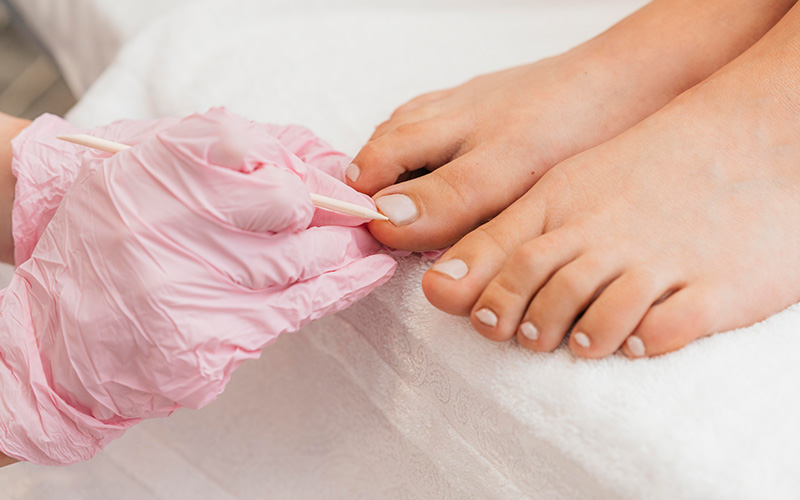
For many in Singapore, visiting a nail salon is part of regular self-care. It is a way to relax, refresh, and enjoy beautifully groomed nails. While most nail salons aim to maintain good hygiene, there are moments when small oversights may increase your risk of developing fungal infections, leading to inflamed toes and other conditions. Understanding how to protect your nails allows you to enjoy your salon visits with peace of mind.
How to Keep Your Salon Visits Relaxing and Worry-Free
1. Shared Tools and Equipment
Fungal nail concerns can occasionally arise when tools are used for multiple clients without adequate cleaning. Most salons follow good hygiene practices, but it can still be useful to notice how tools are handled. For example, many salons present instruments in sealed, sterilised pouches or replace items like files and buffers before each session.
If tools come directly from a drawer or look reused, you can simply request a freshly sanitised set. Most technicians are happy to accommodate. As fungi and bacteria are invisible, choosing salons that show clear cleaning routines offers extra peace of mind. These small habits help keep your nails healthy and make your salon visit more comfortable.
2. Wet and Warm Environments
Foot baths and soaking tubs naturally require a bit more attention, as warm and damp conditions allow microbes to grow more easily. Many salons use disposable plastic liners and replace them after every client, which provides an added layer of protection against developing inflamed toes.
If a disposable plastic liner isn’t replaced between clients, small amounts of moisture or residue may remain in the tub. Simply checking whether a fresh liner is placed before your session may offer added reassurance. With these gentle awareness tips, you can continue enjoying your manicure and pedicure sessions while giving your nails the best possible care.
Who Should Consider Medical Pedicures at a Podiatry Clinic?
Routine salon treatments may overlook underlying medical issues or unintentionally worsen existing conditions. In contrast, medical pedicures performed at podiatry clinics are a safer and more appropriate option. They are particularly suitable for:
- Individuals with fungal nail infections or recurring athlete’s foot
- Patients with diabetes, poor circulation, or slow wound healing
- Those with a weakened immune system, including cancer patients experiencing nail changes due to treatment
- Pregnant women who may be more prone to swelling, nail changes, or balance issues
- Individuals on blood-thinning medication, where even minor cuts can lead to excessive bleeding
- Patients with chronic ingrown toenails, abnormal nail shape, or thickened nails
- Anyone who wants a safe, hygienic pedicure without infection risk, even if no active problem is present
How Fine Podiatry Performs Medical Pedicures
Medical pedicures go beyond cosmetic grooming. They are designed with foot health as the priority, while still maintaining a neat, well-kept appearance.
Unlike salon pedicures, medical pedicures at Fine Podiatry are:
- Dry (waterless), significantly reducing fungal and bacterial exposure
- Performed using sterile or single-use instruments
- Carried out by trained medical professionals who understand foot pathology
- Able to safely manage medical concerns such as fungal nails, corns, calluses, thickened nails, and ingrown toenails
- Focused on long-term foot health, not just surface appearance
While nail polish is typically not applied, our emphasis is on clean, healthy nails and skin. We aim to reduce discomfort and prevent complications, helping you avoid situations where you may eventually need to treat fungal nails.
What to Do if You Develop a Fungal Nail Infection
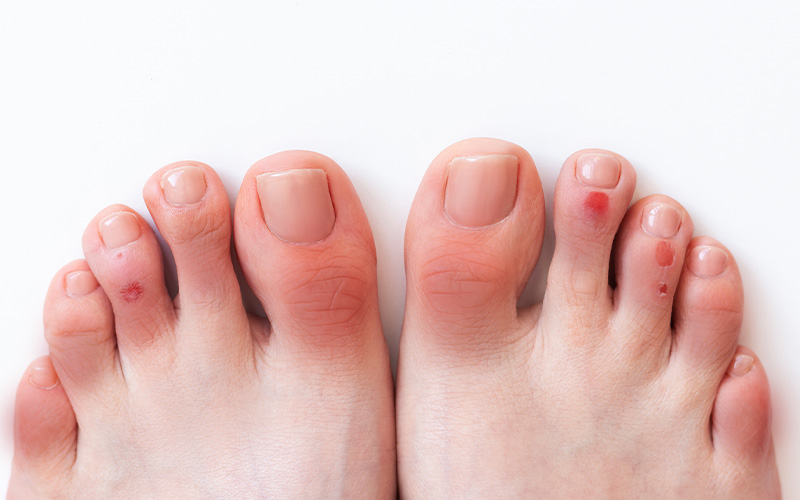
Even with the best safe manicure and pedicure tips, a fungal nail infection can still occur sometimes. Some common signs include nail discolouration, thickening, or pain around the nail bed. Addressing these early can help prevent the issue from progressing or spreading to nearby nails, where it may eventually contribute to inflamed toes.
At this point, home remedies may offer only limited improvement. A gentle, professional assessment can help you understand what’s happening beneath the nail and what your best options are. Depending on the severity, a podiatrist may recommend a suitable toenail fungus treatment in Singapore. Many people also find medical pedicures helpful. These are performed in a clean, clinical setting and focus on safe, hygienic nail and skin care. They can assist with smoothing thickened nails, reducing discomfort, and supporting overall nail health.
Why Hygiene and Awareness Matter
Fungal nail infections are common and manageable, especially when recognised early. They can cause some discomfort or cosmetic concerns, but with proper care, most people recover well. Individuals with health conditions such as diabetes may need to be a little more attentive, as early treatment helps protect overall foot health. Prioritising nail salon hygiene practices, staying alert to unsanitary nail salon risks, and seeking professional fungus nail treatments ensures you can enjoy self-care safely.
At Fine Podiatry Clinic, we believe foot care plays a vital role in supporting posture, mobility, and daily confidence. After all, healthy feet don’t just look good; they shape the way you move and carry yourself daily.
Contact us to take the first step towards healthier feet.
